
 Pay Now
 Our Locations
 (704) 992-1022
 (803) 752-0329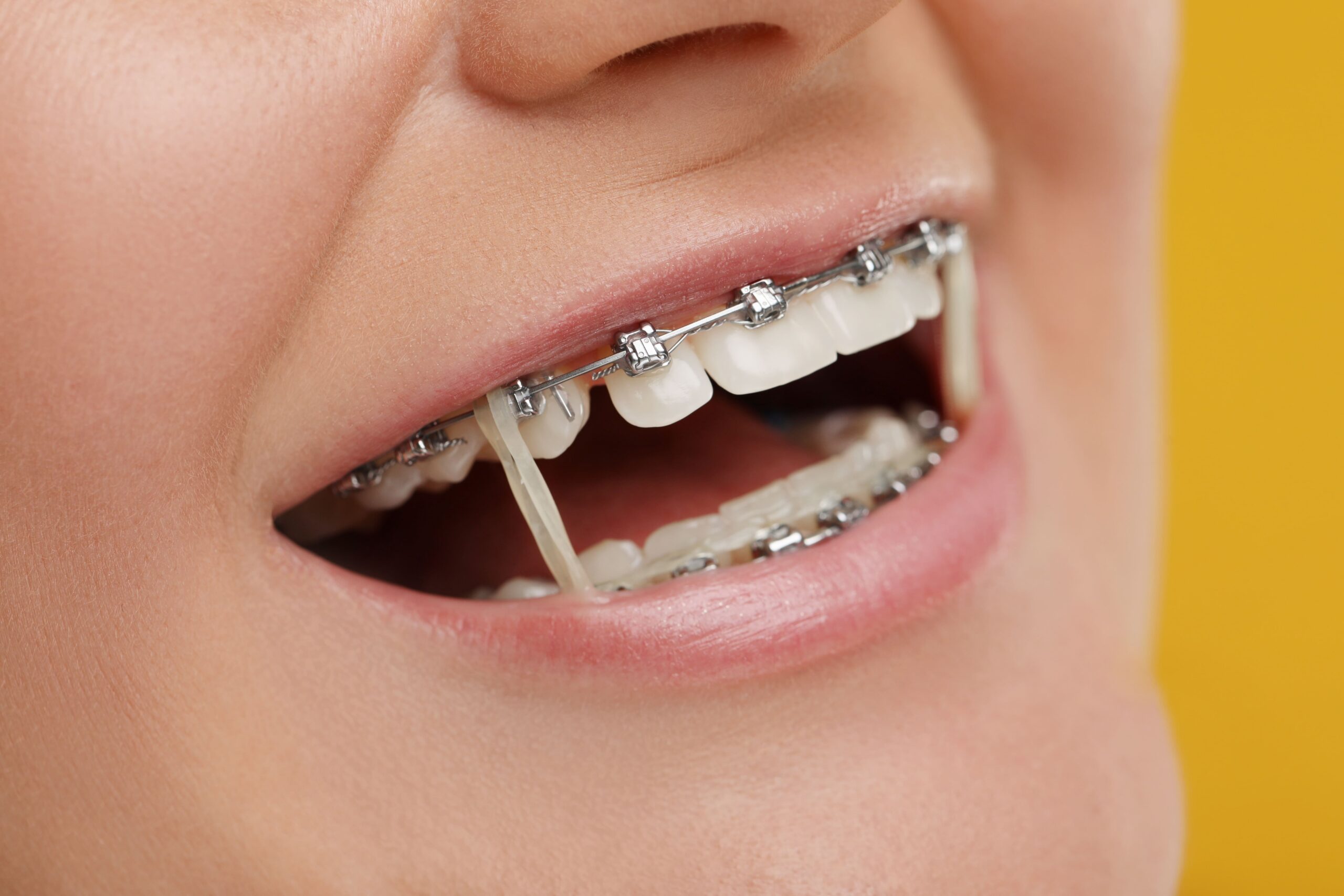
When people think about braces, they usually picture brackets and wires—but there’s another small component that plays a big role in creating a healthy, aligned smile: elastics, also known as rubber bands. While they may seem minor, elastics are often essential for correcting bite issues and guiding teeth into their ideal positions.
If you’re undergoing orthodontic treatment in Charlotte or Huntersville, understanding how elastics work—and why wearing them as directed matters—can make a significant difference in your results and treatment timeline.
What Are Elastics in Braces?
Elastics are small rubber bands that connect to specific points on your braces. Unlike the tiny colored ligatures that hold the wire onto the brackets, elastics are removable and are typically hooked from one bracket to another, often between the upper and lower teeth.
Their main purpose is to apply additional force that braces alone cannot achieve. While brackets and wires are excellent for straightening teeth, elastics help align your bite—how your upper and lower teeth come together when you close your mouth.
Why Are Elastics Necessary?
Every smile is unique, and so is every orthodontic treatment plan. Elastics are commonly used to correct bite issues such as:
- Overbite – when the upper teeth extend too far over the lower teeth
- Underbite – when the lower teeth sit in front of the upper teeth
- Crossbite – when some upper teeth sit inside the lower teeth
- Open bite – when the front teeth don’t touch when the mouth is closed
Braces can move teeth into alignment, but elastics provide the directional pull needed to shift the jaw and bite into proper position. Without elastics, achieving a balanced, functional bite would be much more difficult in many cases.
How Do Elastics Work?
Elastics work by creating consistent pressure between the upper and lower arches of your teeth. They are attached in specific patterns, depending on your orthodontic needs.
For example, some patients may wear elastics from the upper canine to the lower molar, while others may have different configurations that apply force in a specific direction. These patterns are carefully designed by your orthodontist to gradually move your teeth and jaws into alignment.
The key to success is consistent wear. Elastics only work when they are in place, so removing them frequently or forgetting to wear them can delay progress.
Types of Elastic Configurations
While you don’t need to memorize the names of different elastic patterns, it’s helpful to know that your orthodontist may change your configuration over time as your teeth shift.
Some common setups include:
- Class II elastics to correct overbites
- Class III elastics to address underbites
- Vertical elastics to help close open bites
- Cross elastics to fix crossbites
Each configuration serves a specific purpose, and adjustments are made throughout treatment to ensure the best outcome.
What to Expect When You Start Wearing Elastics
If you’ve just been instructed to start wearing elastics, you may notice some initial soreness or pressure. This is completely normal and a sign that the elastics are working.
Most patients adjust within a few days. During this time, sticking to softer foods and taking over-the-counter pain relief (if recommended) can help ease discomfort.
It’s also common to experience:
- Slight difficulty speaking at first
- Increased saliva production
- Mild jaw fatigue
These effects are temporary and typically improve quickly as your mouth adapts.
How Often Should You Wear Elastics?
Your orthodontist will give you specific instructions, but in most cases, elastics should be worn 20–22 hours per day. That means only removing them for eating, brushing, and flossing.
Consistency is critical. Wearing elastics sporadically can actually slow down your progress or even reverse some of the movement that has already occurred.
A good rule of thumb: if your elastics aren’t in your mouth, your treatment isn’t moving forward.
Tips for Staying on Track
Wearing elastics as directed can feel like a big responsibility, but a few simple habits can make it much easier:
Keep elastics with you at all times. Store extras in your bag, car, or desk so you’re never without them.
Change them regularly. Elastics lose their strength over time, so replacing them as instructed ensures consistent pressure.
Set reminders if needed. Especially in the beginning, reminders can help you build the habit of wearing them consistently.
Follow your orthodontist’s instructions exactly. Don’t double up on elastics or change how you wear them unless directed to do so.
These small steps can make a big difference in keeping your treatment on schedule.
What Happens If You Don’t Wear Elastics?
It can be tempting to skip elastics, especially if they feel uncomfortable or inconvenient. However, not wearing them as prescribed can lead to:
- Extended treatment time
- Incomplete bite correction
- Less stable long-term results
In some cases, it may even require additional treatment to fix issues that elastics were meant to address.
The good news is that wearing elastics consistently often helps you finish treatment faster, making the effort well worth it.
How Long Will You Need Elastics?
The length of time you’ll need to wear elastics depends on your specific treatment plan. Some patients may only need them for a few months, while others may wear them for a longer portion of their orthodontic journey.
Your orthodontist will monitor your progress and adjust your treatment as needed. Following instructions closely can help minimize the time you’ll need elastics and keep your treatment on track.
Selden Orthodontics | Start Your Smile Journey Today
If you or your child is considering braces in Charlotte or Huntersville, having the right guidance makes all the difference. At Selden Orthodontics, every treatment plan is tailored to the individual, ensuring that each step—including the use of elastics—is carefully designed for optimal results.
Whether you’re just starting orthodontic care or have questions about your current treatment, the team is here to help you feel confident and informed every step of the way.
Contact Selden Orthodontics today to schedule your consultation and take the next step toward a healthier, more confident smile.